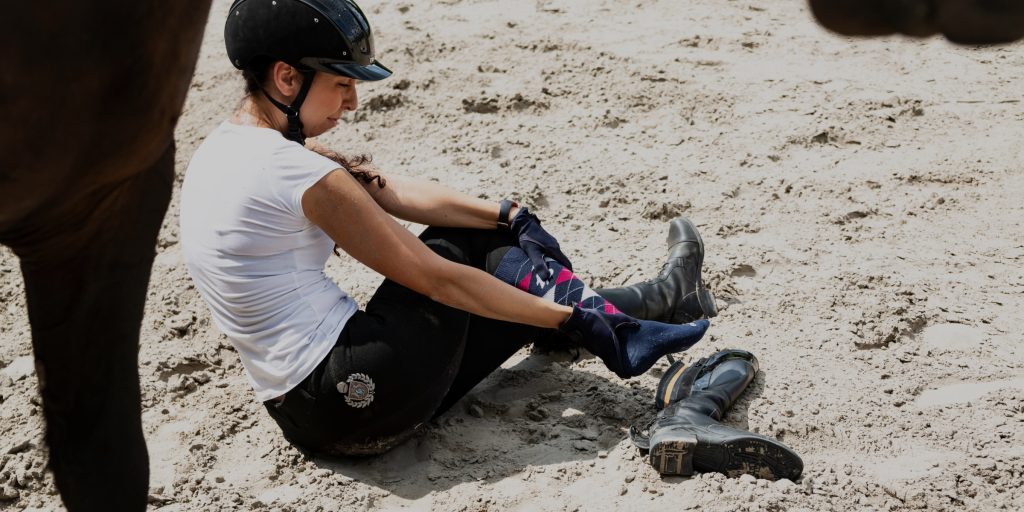
Horseback riding is a popular recreational activity in Florida, from guided trail rides and riding lessons to competitive equestrian events. However, even experienced riders can suffer serious injuries when a horse becomes frightened, equipment fails, or another person’s negligence creates an unsafe situation. A horse riding accident can lead to significant medical bills, lost income, and long-term physical limitations, leaving injured riders uncertain about their legal options.
At the King Law Firm, our experienced personal injury attorneys understand the devastating consequences of horse riding accidents. Based in Ocala, Florida, the heart of the state’s equestrian community, our firm represents individuals and families injured in horse-related accidents throughout Marion County, Central, and North Central Florida. With extensive experience handling equine injury claims, including accidents involving riding stables, horse farms, and trail-riding businesses, we understand the unique legal challenges these cases present. Whether you have suffered serious injuries or lost a loved one, our attorneys are committed to protecting your rights, determining liability, and pursuing the compensation you deserve.
When Should You File a horse riding Accident Claim?
In general, seek legal advice as soon as possible after a horse riding accident, especially if you suffered significant injuries, need ongoing treatment, or believe another person’s negligence contributed to the incident.
Early action can help preserve important evidence, including photographs of the accident scene, witness statements, riding agreements, equipment records, and medical documentation. It can also help you understand which deadlines may apply to your case.
In Florida, the deadline to file a personal injury lawsuit depends on the claim and the circumstances. Under Florida Statutes Section 95.11, many negligence-based personal injury actions are subject to a two-year statute of limitations. Different deadlines or legal rules may apply to claims, including certain claims involving government entities or other special circumstances.
Waiting until the deadline approaches can make it harder to collect evidence and prepare a strong case. Even if you are still receiving treatment or don’t yet know the full extent of your injuries, consult an attorney promptly to understand your options.
Filing an insurance claim and filing a lawsuit are also different steps. An insurance claim may begin shortly after an accident, while a lawsuit may become necessary if liability or the amount of compensation remains disputed. Neither process should be delayed without understanding the applicable deadlines.
What Causes Horseback Riding Injuries?
Horseback riding accidents can occur in many settings, including private farms, public trails, equestrian centers, riding schools, and organized events. Although horses may react unpredictably to their surroundings, some accidents involve preventable safety failures.
Common causes of horseback riding injuries include:
- Unsafe riding instruction: An instructor may fail to provide appropriate guidance, assess a rider’s experience, or explain relevant safety procedures.
- Inadequate horse matching: A stable may assign a horse that doesn’t match a rider’s skill level or the planned activity.
- Defective riding equipment: Damaged saddles, worn reins, faulty stirrups, or poorly maintained tack may contribute to a fall.
- Unsafe premises: Poorly maintained riding areas, hazardous obstacles, inadequate fencing, or dangerous trail conditions may create avoidable risks.
- Negligent supervision: An operator or instructor may fail to supervise an activity appropriately or disregard a known safety concern.
- Failure to disclose known risks: A responsible party may fail to communicate important information about a horse’s behavior or a specific hazard.
The cause of the accident matters because it can help determine whether another party may be legally responsible. A horse’s sudden movement alone does not necessarily establish negligence. A claim generally requires evidence of the applicable legal elements: duty of care, breach of that duty, causation, and damages.
Documenting the circumstances surrounding the horse riding accident can help our attorneys evaluate whether a valid personal injury claim may exist.
Understanding Florida’s Equine Liability Laws
Florida has specific laws addressing injuries associated with equine activities. These laws recognize that horse-related activities carry inherent risks, including the possibility of a horse behaving unpredictably.
Florida Statutes Section 773.01 defines key terms used in its equine activities liability law.
More importantly, Florida Statutes Section 773.02 generally limits liability for certain injuries or deaths resulting from the inherent risks of equine activities, subject to the statute’s terms and exceptions. These protections do not necessarily eliminate every possible claim following a horse riding accident. The statute identifies circumstances in which liability may still arise, and the specific facts must be evaluated against its provisions.
For example, questions may arise when an injury involves faulty equipment, inadequate safety measures, failures to assess a participant’s ability, or other conduct the statutory exceptions address. Whether a particular exception applies depends on the evidence and the precise legal requirements.
Florida’s equine liability rules are especially relevant in Ocala, where recreational riding, horse farms, training facilities, and equestrian events are part of the local community.
Understanding equine liability is essential before assuming that an injured rider either automatically has a claim or is automatically barred from pursuing compensation. At the King Law Firm, we can examine the circumstances and determine whether the statute or other legal principles may affect your case.
Can You File a Claim for a Horse Bite Injury?
Not every horse-related injury happens while someone is riding. A horse bite injury, kick, or other incident involving a horse on the ground can also cause significant harm. Depending on the circumstances, an injured person may have grounds to pursue compensation if another party’s negligence contributed to the incident.
For example, a horse owner or stable operator may have failed to use reasonable precautions when handling an animal around visitors. An injury might also occur because a facility failed to address a known hazard or an employee handled a horse unsafely.
Our law firm can investigate the incident, identify potentially responsible parties, and evaluate whether a negligence lawsuit is appropriate. Do not assume that every injury involving a horse is covered by the same legal rules.
What Compensation Can You Recover After a Horse Riding Accident?
When someone has a valid claim, available compensation depends on the nature of the injuries, the evidence of liability, and the damages recognized under Florida law.
A potential injury settlement may account for several categories of losses, including:
- Medical expenses: Emergency treatment, hospital stays, surgery, rehabilitation, medication, and follow-up appointments.
- Lost income: Wages lost while recovering and, when supported by the evidence, reduced future earning capacity.
- Pain and suffering: Physical pain, emotional distress, and the effects of an injury on daily activities, where legally recoverable.
- Long-term care: Certain future medical expenses or assistance required because of lasting impairments.
- Other financial losses: Additional documented expenses directly attributable to the accident.
The value of an accident settlement may depend on the injury’s severity, the strength of the evidence, available insurance coverage, and whether the injured person shares responsibility for the incident.
Under Florida Statutes Section 768.81, comparative fault rules can affect recovery in negligence actions. The statute generally bars recovery in covered negligence actions when the claimant is found to be more than 50% at fault, subject to statutory exceptions. An attorney can explain how these rules may apply to the specific facts of a horse riding accident.
How a Settlement Attorney Can Help with Your Claim
Pursuing compensation after a horse riding accident can involve more than submitting medical bills to an insurance company. Questions about equine liability, the horse handler’s conduct, and the accident circumstances may require a detailed investigation.
A settlement attorney can help by collecting relevant records, reviewing available evidence, identifying potentially responsible parties, and communicating with insurers. This process can help establish the extent of your losses and determine whether a settlement offer reasonably reflects the damage supported by the evidence.
Before accepting an injury settlement, consider whether your medical condition has been adequately evaluated and whether future treatment or lasting limitations may affect your losses. Settlement agreements commonly require the injured person to release claims covered by the agreement, which can make it difficult or impossible to seek additional compensation later.
If negotiations fail, you may need to pursue personal injury litigation. A lawsuit can let the parties obtain additional evidence through formal legal procedures and present disputed issues to the court. Seeking legal advice early can help you understand the options available before important evidence disappears or a deadline expires.
Contact the King Law Firm After a Horse Riding or Horse Related Accident
A horse riding accident can leave you facing unexpected medical expenses, time away from work, and uncertainty about your recovery. Although Florida law recognizes the inherent risks of equine activities, those risks do not necessarily excuse every act of negligence.
The King Law Firm can help you evaluate the circumstances surrounding your accident, understand how Florida’s equine liability laws may apply, and explore potential options for pursuing compensation. Acting promptly can also help preserve important evidence and protect your ability to seek an appropriate injury settlement.
Don’t assume you have no legal options simply because a horse was involved. Contact the King Law Firm today at (352) 234-8697 for a free consultation to discuss your horse riding accident, understand your rights, and determine what steps you can take to pursue the compensation you may deserve.